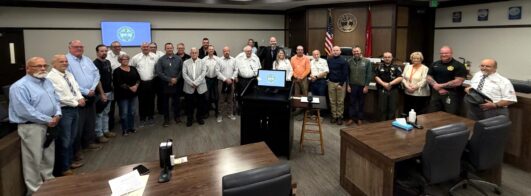
Mentors Guide Military Men Through Recovery
Brotherhood and belonging to a caring community were powerful motivators for veterans navigating the criminal justice system, with several graduates acknowledging the mentor-guided approach to recovery in Monroe County Veterans Court earlier this month.
In all, five justice-involved veterans (JIV) appeared before Judge Dwaine Thomas in Madisonville on October 21, 2026.
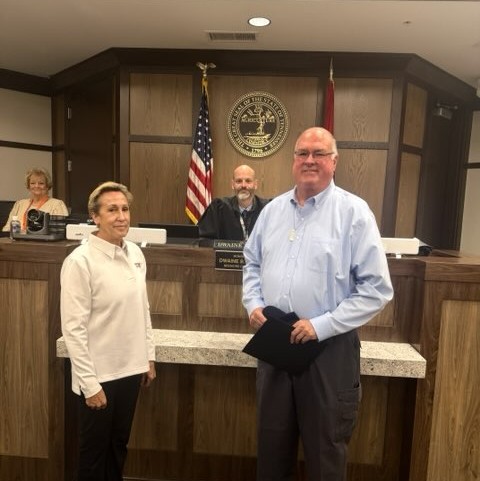
“This is a better way than the legal system,” James Haney (ARMY?USMC) told the court, saying he dealt with guilt, anger, and shame from military service, thoughts he used alcohol to cope with before meeting a Vet to Vet Tennessee mentor.
“That’s not a good idea,” Haney said. “Therapy and talking to a mentor helped me find a better way to deal with feelings.”
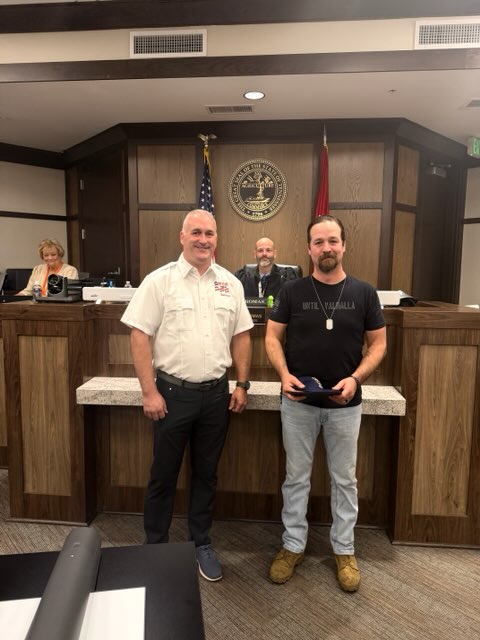
Jacob Turck USMC), a combat vet and native New Yorker who joined the Marines in 2002, told Thomas he had “a lot of broken pieces” insid
e that he tried to drown. “Talking to a mentor and therapist have been a point of light I can look to,” Turck said.
Another court graduate, William Ed Doty, said he was unsure of the Veterans Court program, but his
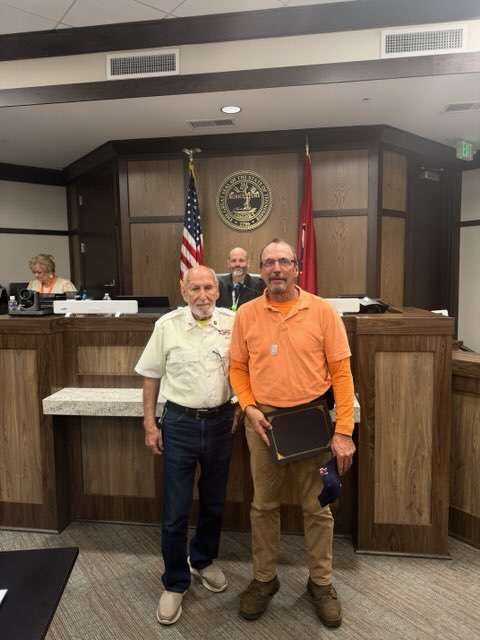 mentor encouraged him to give it a chance. “The best thing was getting into therapy,” he said upon graduating.
But graduate Evan Markel (USMC) realized the second chance the court offered was only part of its value. “I’m originally from Oregon. I’ve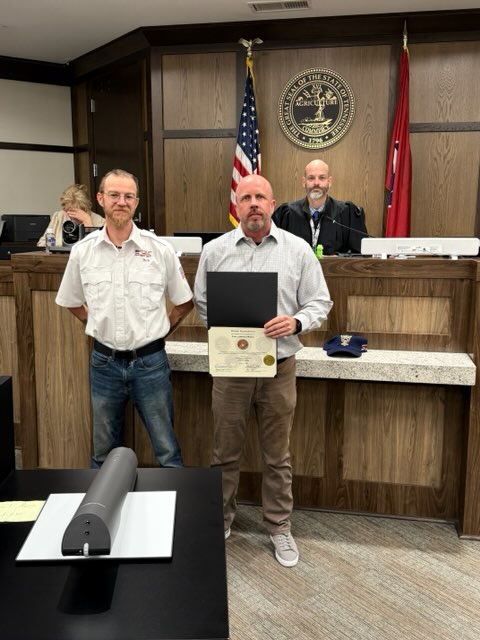 been on my own without a support system,” Markel said. “Now I have one.”
Markel’s mentor, Rob Myers USMC), said Evan called him one night when there was an incident.
“We worked it out,” Myers said. “I hope you join and become a mentor.”
“You have a family sitting right there,” Judge Thomas said, dismissing Markel’s criminal charges and congratulating him on personal growth. “We need Marine Corps mentors.”
The final graduate, James Gainey (Army), said he was considering becoming a mentor and paying it forward. “The whole Vet to Vet Tennessee program is outstanding,” he told the court.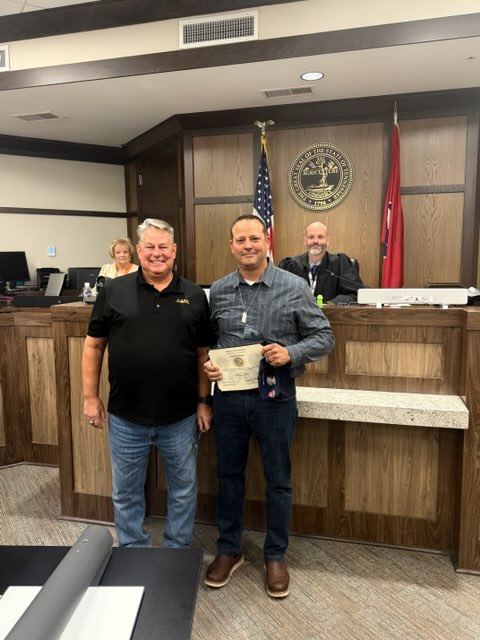
The idea for Veterans Court began more than a decade ago. A group of veterans approached Thomas and asked him to design a program to repay veterans for military service and get help when the criminal justice system becomes involved in behavior caused by trauma, post-traumatic stress, and the pressures of life.
Thomas oversees the court. He humbly credits the mentors, participants, and therapists who do the work of recovery. “I know this isn’t easy,” he tells graduates, “It draws up everything you’ve worked to push down. It’s not a get-out-of-jail-free card. Some veterans have suffered for 40 to 50 years. I’m proud of you and thankful for your service.”
The court’s role, according to Thomas, is to repay a “debt of honor” owed to veterans who fight for the freedoms that define America.
And Thomas isn’t the only one fighting for veterans. Monroe County Veterans Court is supported by Monroe County Mayor Mitch Ingram and Veteran Service Officer Andy Boyd, court staff, law enforcement officers who refer veterans for treatment, and therapists at The McNabb Military Services Center. Vet to Vet Tennessee provides guidance and mentorship.
Graduation can take as little as six months. In some cases, it can stretch years. But when graduation comes, justice-involved veterans make new connections and leave the court as valued members of an extended family, each looking out for one another. Lucas Boring - The Monroe County Buzz
We would also like to thank our supporters, who have kept this program going for over 11 years. You can help us in several ways: become a Veterans Court Mentor (training is free) or donate.